| |
|
LRP 90W High Power Lötstation:
Dicke Kabelquerschnitte,
bleifreie Lote: Hochleistungselektronik mit neuen Kabeln
auszustatten, ist für den guten alten Baumarkt-Lötkolben
keine so leichte Aufgabe mehr. Doch wie
schlägt sich LRPs Lötstation mit den modernen
Komponenten?
Der Testbericht verrät es! |
|
|
Team Orion Carbon FLX 3s 6000:
Team Orions Custom Lipos speziell für den Savage Flux -
hier auf offroad-CULT
im 12-monatigen Langzeit-Test!
|
|
|
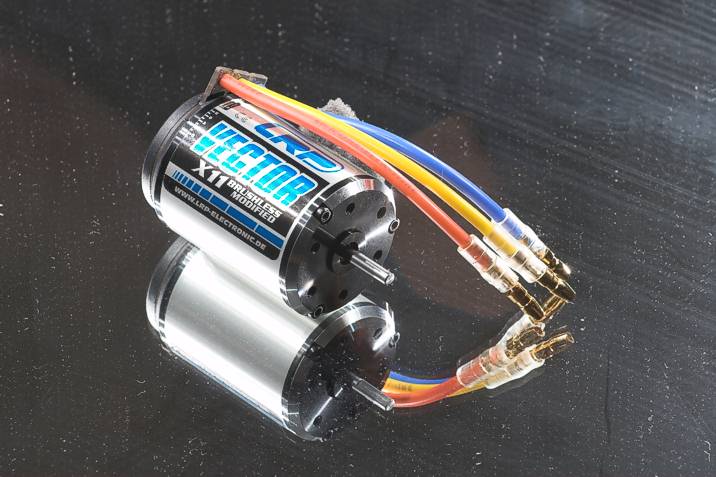
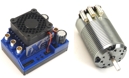
LRP iX8 und Dynamic8 - LRPs zweite Generation der
1/8 Brushless-Komponenten
Hier geht's zum Testbericht!
|
|
|
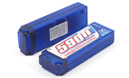
LRP VTEC Competition Line 5900/50C - Der
Nachfolger der bewährten 5300/40C Competition Line im
Detail:
Hier geht's zum Testbericht! |
|
|
LRP SPX8 und Vector8 - offroad-CULT testet LRPs
1/8 Brushless Komponenten!
Weiter zum Testbericht |
|
|
LRP VTEC Competition Line 5300/40C - Der neue
Hardcase-Lipo auf dem Prüfstand:
Hier geht's zum Testbericht! |
|
|
LRP S8BXe Team
- LRPs Premiere in Sachen 1/8 Brushless Buggy. Der S8BXe
Team ist einer der ersten serienmäßigen 1/8 Buggies für
die neue Antriebstechnik. Offroad-CULT präsentiert den
umfassenden Testbericht und deckt alle Mankos auf - Top
oder Flop?
Weiter zum Testbericht. |
|
|
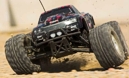
HPI-Racing SAVAGE FLUX
- offroad-CULT testet den ersten serienmäßigen Brushless
Monster-Truck und zeigt auf mehr als 45 A4-Seiten, was
die Community von HPI-Racings neuem Premium-RTR erwarten
kann -
weiter zum Testbericht! |
|
|
LRP S8BX
-
ein ausführlicher
Erfahrungsbericht über LRPs 1/8 Offroad-Debüt!
LRPs S8BX bringt zahlreiche innovative Features wie die
adaptive Hinterachse oder ein neuartiges Bremssetup mit
ins Rennen - doch wie praxistauglich ist das neue
Konzept? (Einen ausführlichen Aufbaubericht gibt es
hier!) |
|
|
HPI-Racing E-Firestorm FLUX
-
RTR meets brushless und wir
testen!
Im gewohnt dreiteiligen und ausführlichen Testbericht
wird HPI-Racings Erstlingswerk in Sachen Brushless-RTR
in all seinen Details genauestens unter die Lupe
genommen. |
|
|
Ansmann Racing Master-Smacker und Royal Flash
-
offroad-CULT lädt zum großen
Doppel-Review!
In einem dreiteiligen Testbericht werden die neuesten
Ansmann-Offroader ausführlich vorgestellt, miteinander
verglichen und abschließend auf Herz und Nieren
durchgetestet. |
|
|
Losi Desert-Truck RTR -
der heißersehnte 1/10 Stadium im
Test!
Auf umgerechnet über 40 A4-Seiten stellt offroad-CULT
Losis neuen RTR-Offroader vor und unterzieht ihn wie
gewohnt knallharten Konstruktions-Checks und
schonungslosen Tracktest-Sessions! |
|
|
Günstig
oder billig? Mit der neuen Dragster-Sport Brushless-Combo stößt Carson preislich in die Region von Bürstensetups
vor.
Doch ob die
Performance eines Brushless-Systems würdig, oder ob der
Griff zum Bürstensetup der Bessere ist,
klärt unser Testbericht! |
|
|
Einer für
alle! GM-Racings Genius-Controller können Bürstenmotoren
und bürstenlose Motoren mit und ohne Sensorunterstützung
ansteuern. Was der hier gezeigte Genius 85 sonst noch
so zu bieten hat,
deckt unser Testbericht auf! |
|
|
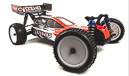
Was
kann man von einem Modell zwischen Einsteigerbuggy und
High-End Offroadmaschine erwarten? Wie schlägt sich
Tamiyas neuer Durga DB01 im Vergleich zur Kyosho und
Academy-Konkurrenz?
Unser Testbericht klärt's! |
|
|
Team Orion Carbon Edition 3600 Race Spec: Team
Orions zur Zeit schärfster Hardcase-Lipo -
auf dem Prüfstand!
INTERNATIONAL RELEASE available
here! |
|
|
Kyoshos Lazer ZX-5 Readyset
ist eine preisgünstige Alternative zum Lazer ZX-5. Das
RTR-Modell nimmt mit einem UVP von 269 Euro einen Platz
in der sonst recht leeren Mittelklasse ein.
Geht der Wunsch vom
ambitionierten, leistbaren 4wd Rennbuggy für den
Hobbyfahrer damit in Erfüllung... ? |
|
|
Team Losis CR-Generation im Test,
Teil 2: Auch der Stadium-Truck ist seit
Kurzem als "CR"-Version erhältlich. Grund genug, den
XXX-T cr zum offroad-CULT Härtetest vorzuladen
und ihn auf Herz und Nieren durch
zu checken! |
|
|
Team Losis CR-Generation im Test,
Teil 1:
Im ersten
Teil dieses Doppel-Tests
lädt Losis XXX-cr zur Testfahrt ein. Fast 8 Jahre
XXX-Plattform: Was hat sich geändert? Was wurde
verbessert? Und was bringt's unterm Strich für den
Fahrer? Hier geht's weiter zu unserem
Testbericht! |
|
|
Wettbewerbsbuggy goes RTR:
Thunder Tiger bringt das bisherige Flaggschiff-Modell,
den EB4 S3 in RTR-Neuauflage auf den Markt.
Was die RTR Ausstattung taugt und
welche Figur der EB4 S3 RTR in der Praxis macht,
klärt unser 58-seitiger Exklusiv
Testbericht! |
|
|
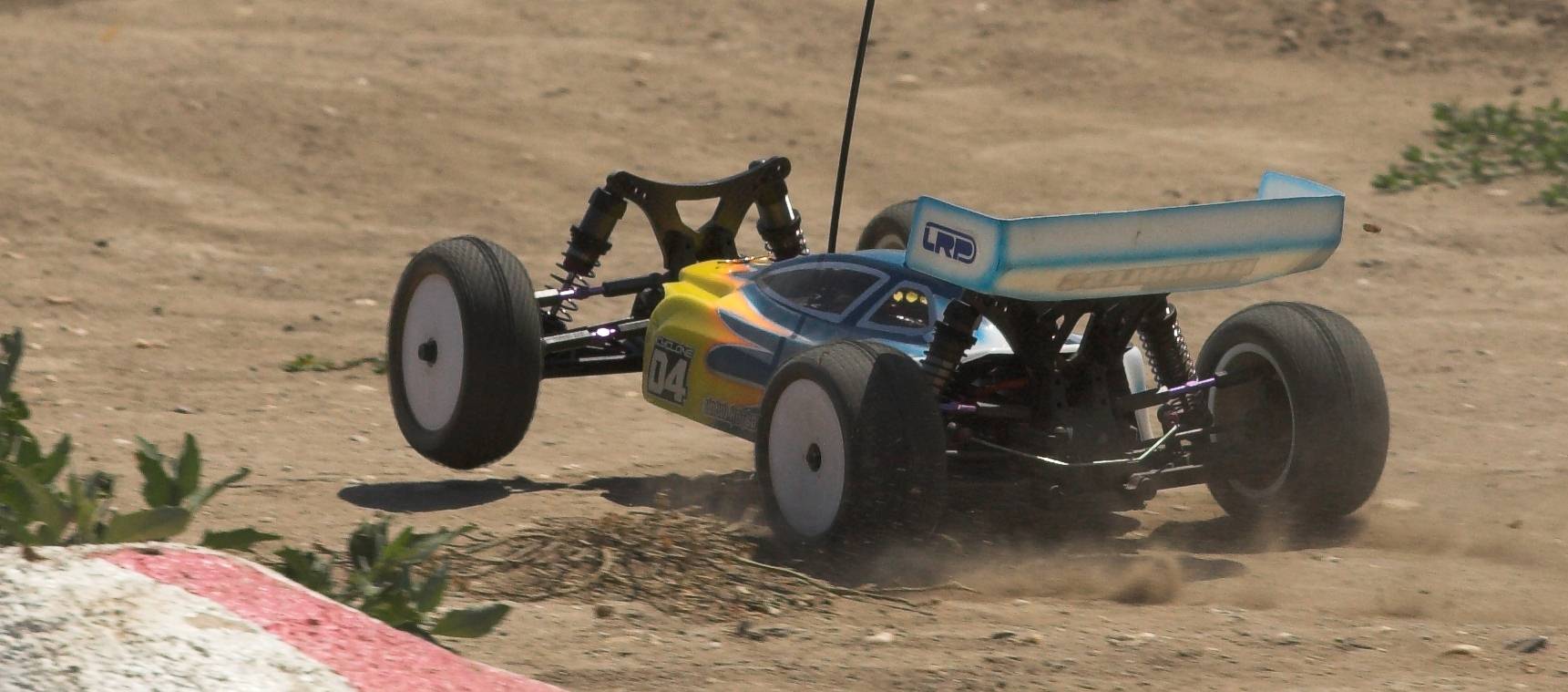
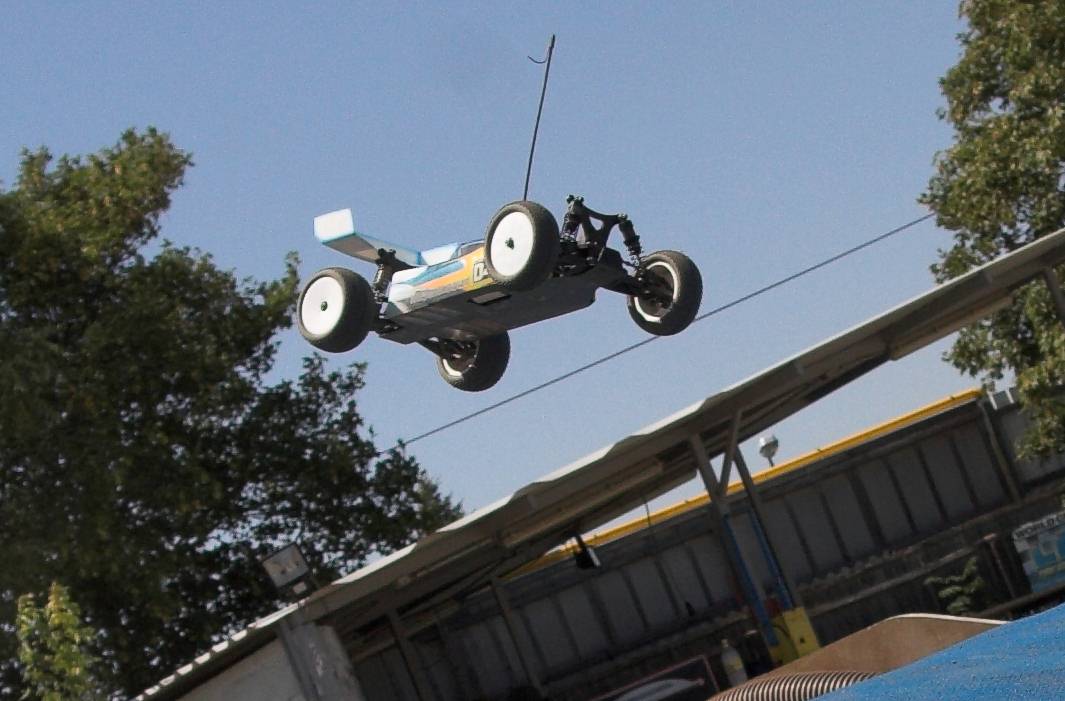
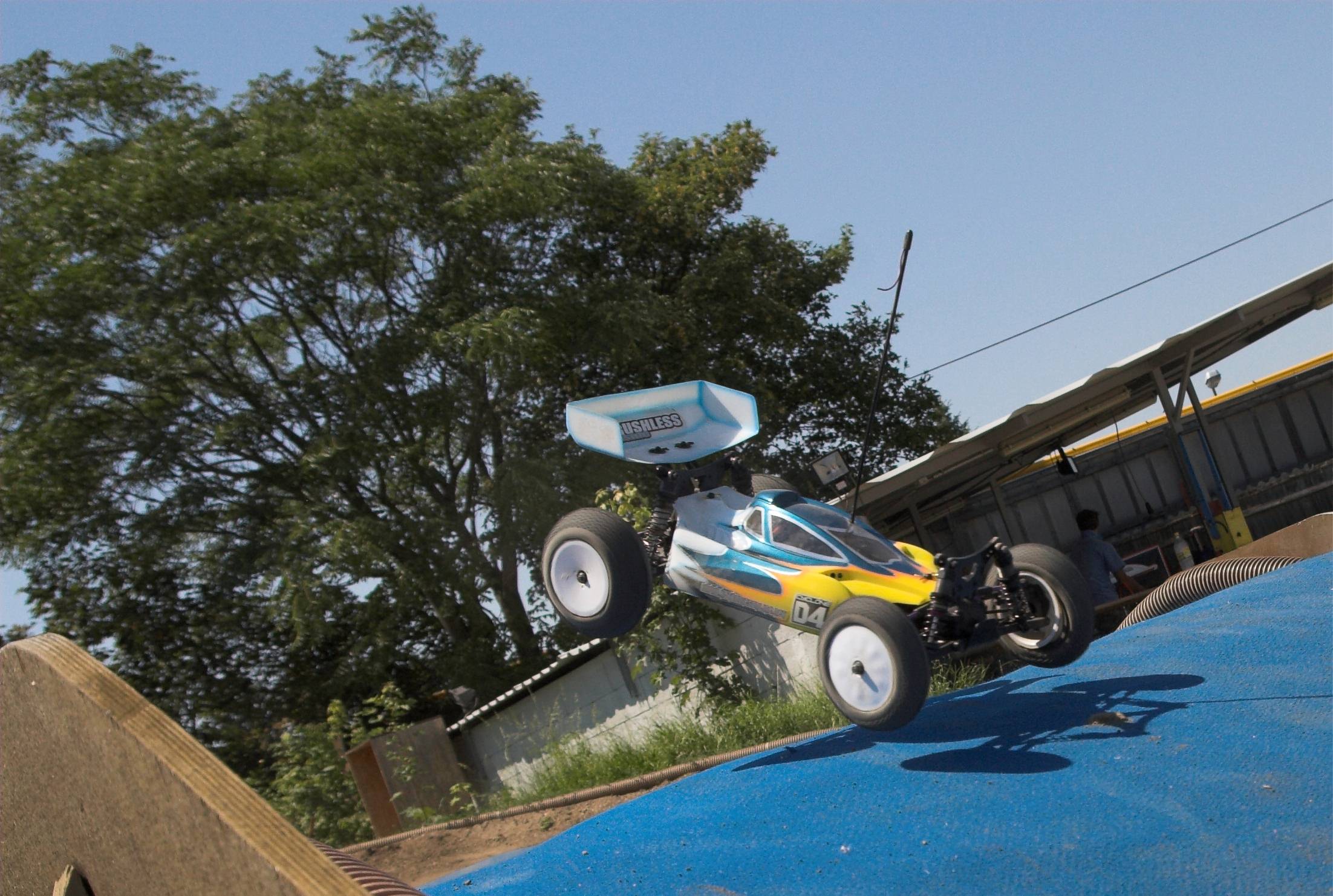
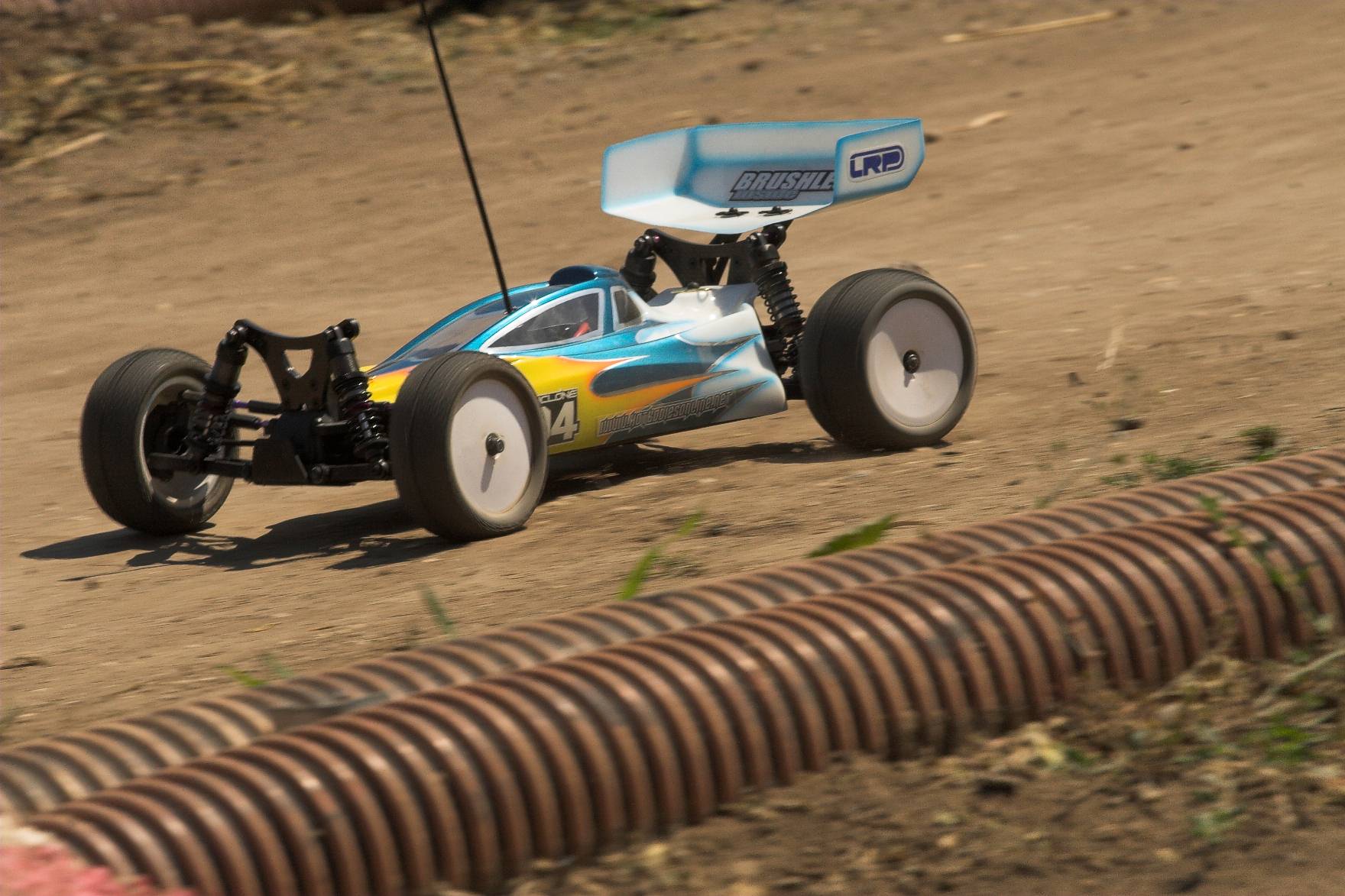
Hot Bodies neuer Allrad Racer:
Mittelmotor, zweiteiliger Kardanantrieb mit
Kegelrad-Getriebeboxen und Saddlepacks - so sieht das
aktuelle 4wd Design-Dogma aus. Der Cyclone D4 setzt
dieses auch kompromisslos um,
doch wie macht er sich auf der
Rennstrecke?
INTERNATIONAL RELEASE available
here! |
|
|
Stadium-Action zum Zweiten! Diesmal nehmen wir uns
den Firestorm 10T von HPI Racing vor. Mit einer
sympathischen Chassiskonstruktion und einem starken
3,0ccm Motor scheint er gute Karten zu haben -
aber reicht das für den
offroad-CULT Härtetest?
INTERNATIONAL RELEASE soon
available! |
|
|
Offroad-Einstieg um weniger als 150 Euro - ein guter
Deal? Ist da nicht irgendwo ein Haken? Und überhaupt: Wie gut ist
Ansmann Racings Smacker wirklich?
Der Budget-Buggy im offroad-CULT
Test! |
|
|
Reely / XTM-Racing X-Cellerator: Stadium Action zum
Sonderpreis!
Ob sich der Stadium Truck lohnt, der hierzulande von
Conrad Electronic vertrieben wird, stellen wir in
unserem
Testbericht fest!
INTERNATIONAL RELEASE
available
here! |
|
|
Der Truggy im Kleinformat: Nach dem "Shark 18" 4wd
Elektrobuggy im Maßstab 1:18 präsentiert uns LRP nun die
Truggy-Version als
Shark 18 Monster.
Wir haben die RTR-Version
ausführlich getestet!
INTERNATIONAL RELEASE
available
here! |
|
|
Truggies liegen voll im Trend - klar dass Kyosho als
eine der ganz großen Marken am 1/8 Offroad-Sektor dabei
ist. Mit dem
Inferno ST US Sports
sollen vor allem Einsteiger angesprochen werden -
auch wir haben uns angesprochen
gefühlt!
INTERNATIONAL RELEASE
available
here! |
|
|
Keep it
small and simple - dass "Monstertruck" nicht
gleichzeitig "Monstermäßig" kompliziert bedeuten muss,
will Jamara mit der
Track-Sau vorzeigen
und sie uns als erstklassiges Bashgerät präsentieren.
Wahrheit oder Marketing-Gag? -
unser Testbericht klärt's! |
|
|
Der
Robitronic
Protos ist ein 1/8 Verbrennerbuggy der
Einsteigerklasse: um 400 Euro (UVP des Herstellers)
bekommt man einen Buggy komplett mit Fernsteuerung,
Motor und Verbrennerzubehör. Wozu der Protos taugt,
klären wir in unserem
24-seitigem Testbericht. |